Cordless vs. 'Cord-Free Look': What the Label Actually Means
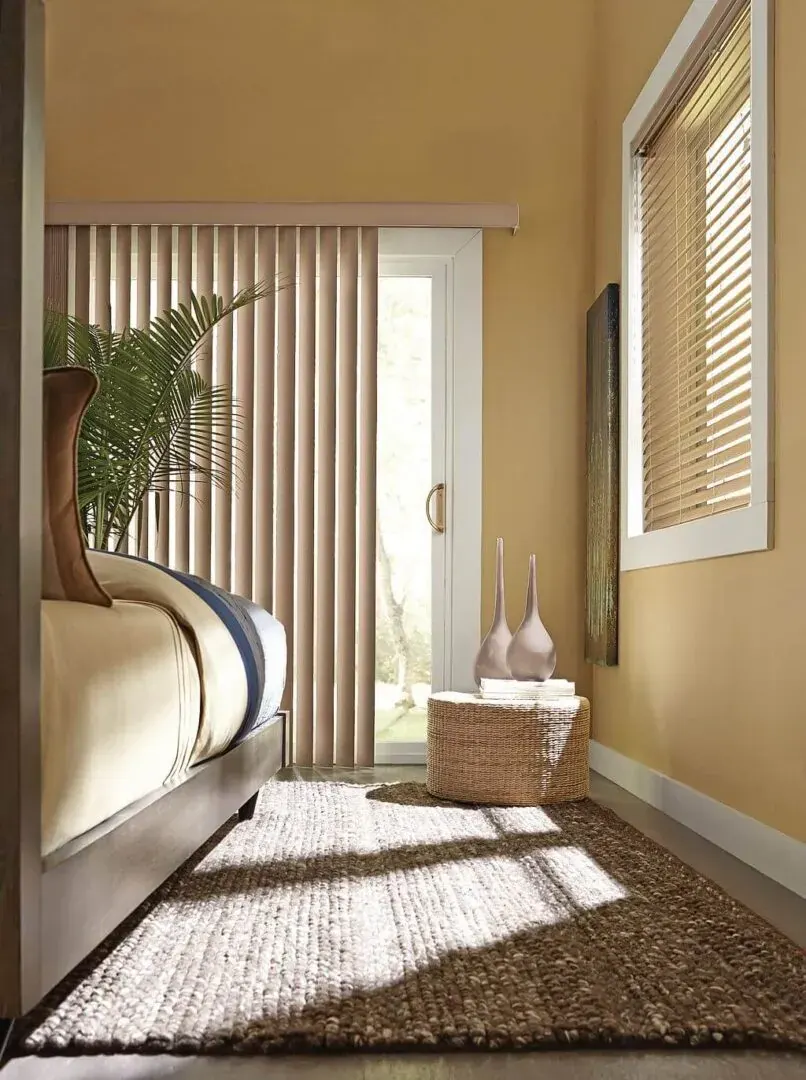
A house full of working blinds doesn't feel like a problem, which is exactly why the cord question tends to get overlooked until there's a toddler pulling on one. The fixes here range from free to a full afternoon project, and most homes need a mix of both.
Why a Cord Is More Dangerous Than It Looks
The hazard is plain mechanics, not scare tactics. A pull cord or the loop on a continuous-loop blind hangs at a fixed length, and when a toddler standing on a bed or a windowsill gets a hand on it, that loop can end up around a neck faster than anyone expects. That's the real reason cordless costs what it costs. You're not paying for a nicer headrail, you're paying to remove a specific mechanical risk from the room.
Older stock is where this shows up most. If a Plainfield home still has the mini blinds that came with the house a decade or more ago, there's a real chance they're the looped-cord style that current manufacturing has largely moved away from. Nobody budgets to replace blinds that still work, which is exactly how outdated hardware sticks around in a kid's room the longest.
None of this is about assigning blame. Cord-based lift was the standard for decades, and most buyers never think to ask what's holding the blinds up when they tour a house. The point of paying attention now is that the fix is available and, in most cases, no longer expensive enough to put off.
Cords, Cribs, and Furniture Placement
Furniture placement matters as much as the blind itself. A crib or a glider positioned under or next to a window puts a cord within reach even when it's tucked up high, because a climbing two-year-old adds well over a foot of reach nobody planned for. The safest layout keeps climbable furniture off the window wall entirely, not just turned away from the cord.
Playrooms get overlooked the same way. A toy bin or a play kitchen shoved under a window in a Plainfield playroom turns into a step stool the first time a kid wants to see outside. If a corded blind is already in that room and swapping it isn't in this month's budget, moving the furniture away from the window wall buys real safety without spending anything.
What Cordless Really Costs
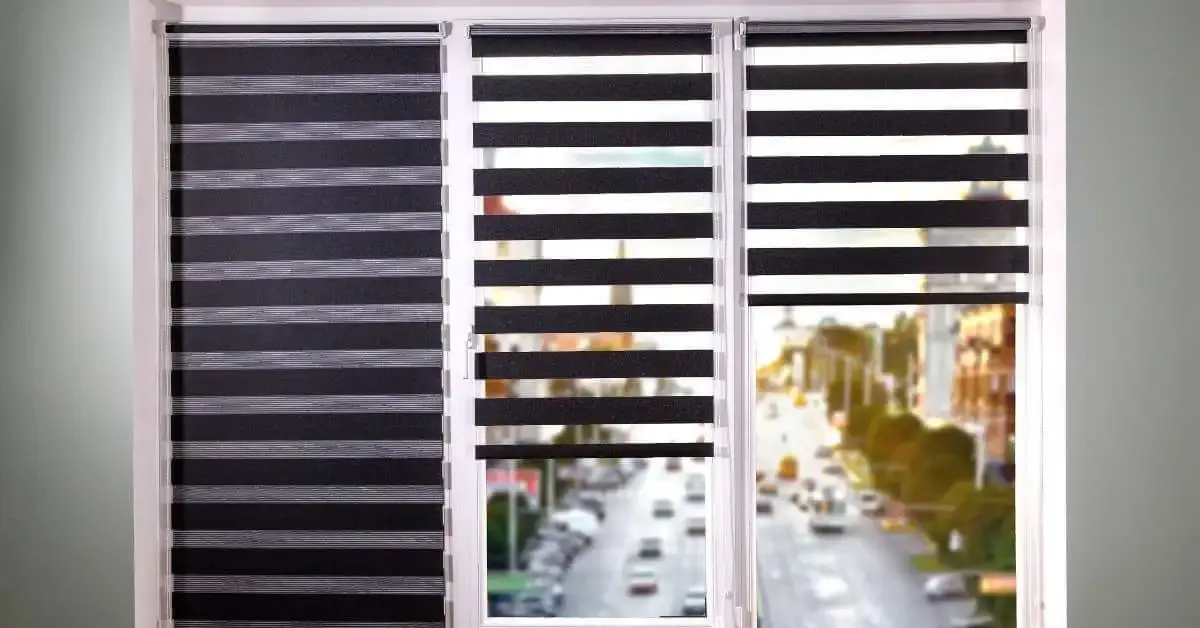
A nursery is usually one or two windows, which keeps the total manageable even at custom pricing. As a national range, cordless cellular shades for a nursery run about $150 to $450 a window installed, with basic roller shades landing closer to $100 to $350.
Because it's a small room, it's also the easiest place in a Plainfield house to justify spending a bit more per window on a better light-filtering or blackout fabric, since the total cost stays reasonable even with a nicer material, and a nursery gets more benefit from good light control than almost any other room.
Two windows in the same nursery don't always need to match exactly either. A window that gets direct morning sun might justify a better blackout fabric, while a second window on a shaded wall can use a simpler light-filtering option at a lower price point, without the room looking mismatched.
If cost is the question holding you back, a free in-home measure from Plainfield Window Treatments is the easiest way to get real numbers instead of guessing from a national range online. You'll see stock and custom cordless options side by side and can decide room by room what makes sense this year.
How Cordless Lift Systems Actually Work
Genuinely cordless means a spring clutch or spring motor inside the headrail does the holding, and you move the shade by hand on the bottom rail with nothing external attached. That's different from a product that's just switched from a looped cord to a single wand, which removes the lift hazard but still has a rigid stick a kid could reach for and pull on.
Some marketing blurs this by calling anything without a dangling loop "child-safe," even when a cord still runs through the mechanism out of sight. The clearest test is simple: if there's nothing to grab that connects to the lift function at all, hand or wand, it's cordless. If there's a wand, it's cord-free for lift but still has a control worth keeping away from a crib.
It helps to ask directly rather than guess. A salesperson or installer can usually tell you within a few seconds whether a specific product line is genuinely cordless or just wand-tilt with cordless lift only, since it's a basic spec sheet question rather than a judgment call.
Making the Blinds You Already Own Safer
Start with what's already on the window before deciding whether to replace or retrofit. A cord cleat, mounted high and used every single time, removes the loose loop. A tension device anchors the loop's bottom end to the wall so there's no slack left to form a hazard in the first place. Both cost very little and take an afternoon to install across a whole house.
For blinds worth keeping, a professional can sometimes swap the cord lock for a cordless clutch, or add a wand in place of a tilt cord, without replacing the fabric or slats themselves. This isn't available for every brand or headrail style, and a measure visit is the fastest way to find out which of your existing blinds are actually candidates.
It's worth checking every window during that walk-through, not just the ones in a kid's room right now. A guest room today can become a nursery in a year, and a blind that's fine to leave corded in a rarely used room can become a priority the moment that room's purpose changes.
Frequently Asked Questions
Are all corded blinds actually dangerous, or just certain types?
The highest risk comes from continuous loop cords, the kind that handle lift and tilt together on a lot of wood and faux wood blinds, because the loop is already formed and just needs to catch on something. A single pull cord with two loose ends is lower risk since there's no pre-formed loop, though it can still be pulled into one if enough cord bunches up. Vertical blinds with a continuous wand-and-cord combination fall into the higher-risk category too. If you're not sure which type is on your windows, checking whether the cord forms a closed loop when you let go of it is the quickest way to tell.
Can I just tie a knot in the cord or cut it shorter myself?
Cutting a cord yourself can void the mechanism's warranty and, depending on the lift system, can actually make the blind stop working correctly if the cord length was set for a reason. Tying a knot doesn't remove the loop risk either, since a kid can still get a hand or head caught in whatever loop remains above the knot. A cord cleat or a proper tension device does the job safely and doesn't touch the blind's internal mechanism, which is why it's the recommended interim step over a DIY cut.
Do I need to replace every blind in the house at once?
No, and most households don't. The priority order that makes sense is a kid's own bedroom and any playroom first, since those are the rooms where a kid spends real unsupervised time near the window. A formal living room or a guest bedroom that a toddler rarely enters can reasonably wait, especially with a cord cleat or tension device in place as an interim measure.
 What Roller and Solar Shades Cost in Plainfield Homes Today
 What Motorized Shades Cost in Plainfield and Where They Pay Off
 What a Finished Plainfield Blind Repair Should Look Like