Inside Mount vs Outside Mount, Explained by Someone Who Installs Both
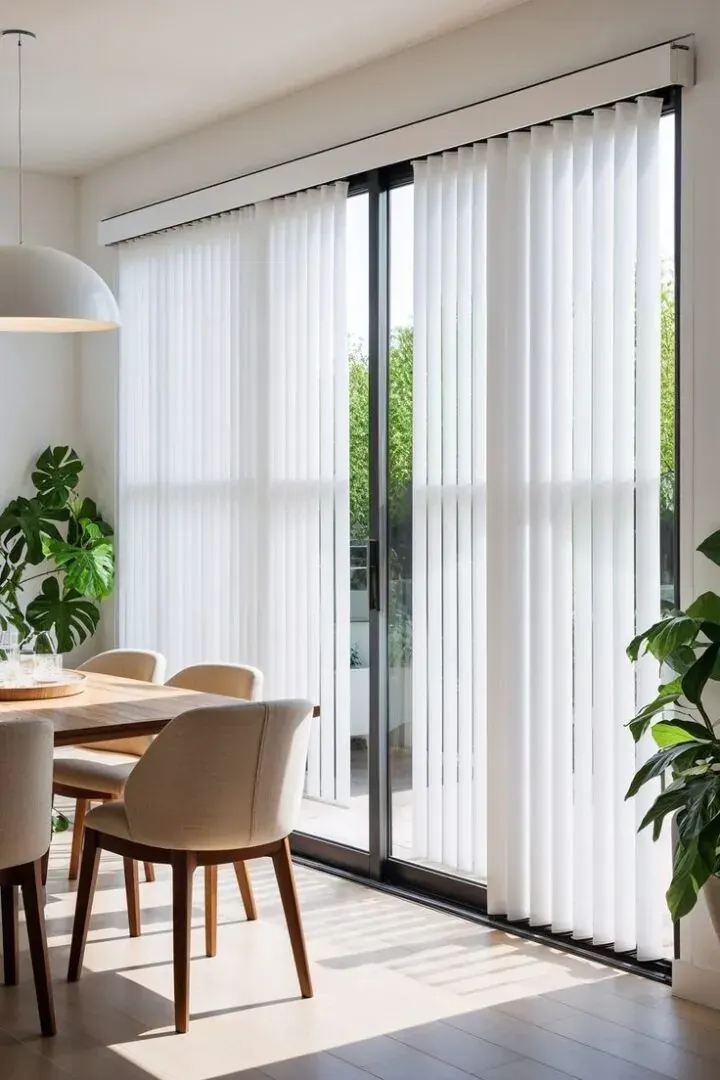
Walk into ten homes in Plainfield and you'll find windows that look nearly identical from across the room but behave completely differently once you get a tape measure on them. Frame depth, trim thickness, and what's hiding inside the opening all decide whether a blind can sit inside the frame or has to ride on the wall in front of it.
Inside Mount and Outside Mount, Defined
Inside mount means the blind or shade sits inside the window frame itself, tucked into the opening so the headrail is basically flush with the trim. From across the room it looks built in, like the window was designed around it. Outside mount means the hardware attaches to the wall or trim in front of the opening, covering the frame rather than fitting inside it.
Neither one is the correct choice in some general sense. They're just two different ways of solving the same problem, and which one works on a given window in Plainfield comes down to measurements more than preference. A window with 2.5 inches of clear depth and nothing in the way can usually take either mount. A window with a crank handle intruding into that space or a sill that slopes toward the glass often can't take inside mount at all.
The visual difference matters too. Inside mount shows a bit of the frame around the edges of the shade, which a lot of people like because it reads as more architectural. Outside mount hides the frame entirely and can make a window look larger, since the headrail extends past the actual glass. Once you've seen both on a real house instead of a showroom display, the difference is obvious.
Why Homeowners Choose Outside Mount
Outside mount earns its keep by solving problems inside mount simply can't. A shallow frame, a lock or crank eating into the depth, a sill that isn't flat: any of these can rule out inside mount entirely, and outside mount sidesteps the whole issue by mounting to solid wall or trim instead of fighting for space inside the opening.
It also closes up the light gap. Because the shade extends past the frame on every side, there's no sliver of light sneaking around the edges the way there can be with inside mount. That matters most in bedrooms, and it's usually the deciding factor for anyone who's dealt with an inside mount shade that didn't quite block enough light.
One more advantage worth knowing: outside mount is forgiving of a frame that's out of square, which is common in older houses that have settled over the decades. Since the headrail mounts to a straight point above the opening rather than fitting snugly inside a crooked one, the whole installation gets a lot more predictable.
Depth, Obstructions, and Other Mounting Realities
The number that actually settles most inside versus outside arguments is depth, not opinion. Faux wood blinds generally need 2 to 2.5 inches of clear space. Cellular shades can sometimes fit into slightly less. Shutters are the pickiest, usually wanting 3 to 3.5 inches because the panel frame itself takes up real room.
Here's where the idea of easy DIY measuring falls apart a little: a tape measure alone won't catch everything. A crank handle sticking into the frame, a sill sloping toward the glass, trim that's been added since the original window went in, all of these can rule out inside mount on a window that measures deep enough at first glance.
None of these problems are rare. They show up often enough that a professional measure exists specifically to catch them before an order goes in, rather than after a custom product arrives and doesn't fit the way it was supposed to.
Mixing Mounts and Getting a Consistent Look Room to Room
It's genuinely common for one Plainfield house to end up with inside mount bedrooms, outside mount bathrooms, and a living room that could have gone either way. That mix isn't a sign of a compromise. It's just what happens when each room's actual needs get taken seriously instead of forcing one mount across the whole house.
The place to watch for consistency is within a room that has more than one window, and across rooms that are visible from each other at the same time. A great room with sightlines into the kitchen and up a staircase benefits from matching colors and headrail styles even where the mount underneath varies slightly.
What you want to avoid is a single wall with mismatched mounts on windows that clearly belong together. If two windows in the same room can't take the same mount for some structural reason, it's worth discussing options that keep the look unified rather than discovering the mismatch after installation.
If you're staring at a window trying to guess whether it has the depth for an inside mount, a tape measure only tells you part of the story. A free in-home measure settles it in a few minutes, and you'll walk away knowing exactly which mount your Plainfield windows can actually support before you spend a dime on product.
Why Homeowners Choose Inside Mount
Ask yourself if the trim around the window is something you want to keep seeing. If the answer's yes, that's a point toward inside mount, since it leaves the frame fully visible and just adds the blind or shade within it rather than covering any of the woodwork.
Ask next whether anything needs to sit close to the glass. Kitchen and bathroom windows often do, since cabinets, faucets, or towel bars can crowd the space where an outside mount headrail would otherwise need room to hang. Inside mount stays contained within the opening and avoids that conflict entirely.
The one question worth asking honestly is how much you care about a small light gap along the edges. Inside mount blinds are built slightly narrower than the opening so they can physically fit inside it, and that leaves a thin strip of light on the sides in most cases. It's rarely a dealbreaker, but it's worth seeing in person rather than discovering it after installation.
Frequently Asked Questions
Why does my window have a gap around the blind?
That's almost always an inside mount doing exactly what it's supposed to do. The headrail sits inside the frame rather than covering it, so a strip of frame stays visible on the sides and sometimes the top. It's not a defect, it's just how that mount works.
Is outside mount more expensive?
Not because of the mount itself. Outside mount usually needs a slightly wider blind to get full coverage, so the material cost can run a bit higher, but the difference is usually modest rather than dramatic.
What if my window frame is uneven or out of square?
That's a common reason to go with outside mount. It hangs from a straight header above the frame, so a crooked or out-of-square opening underneath it matters a lot less than it would with a blind trying to fit snugly inside the frame itself.
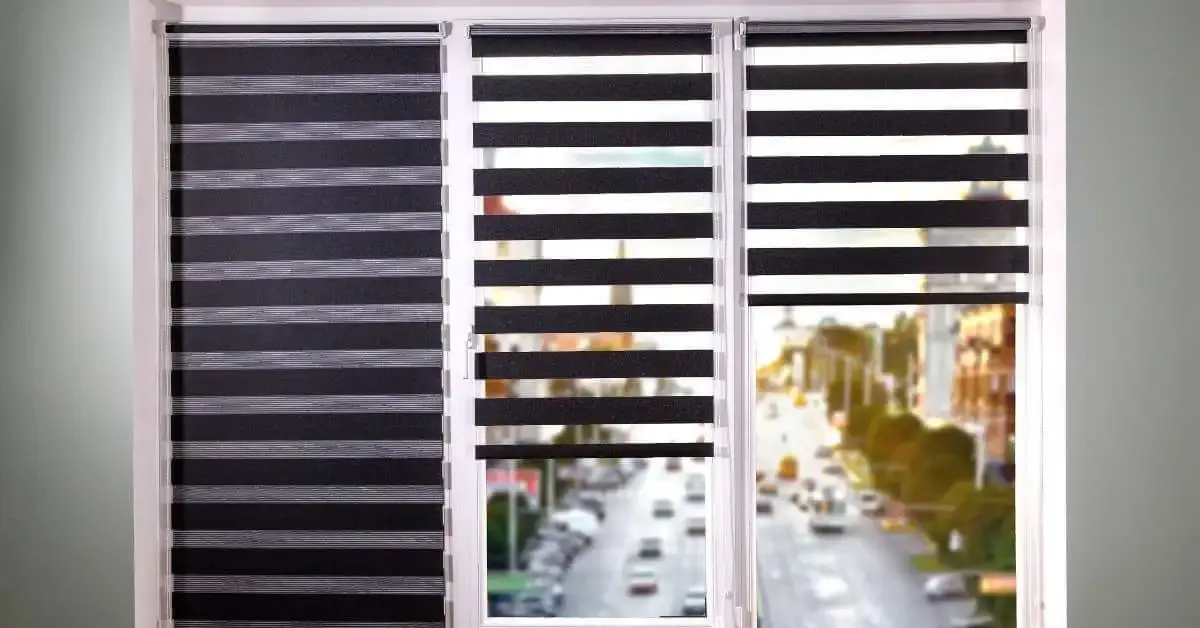 What Roller and Solar Shades Cost in Plainfield Homes Today
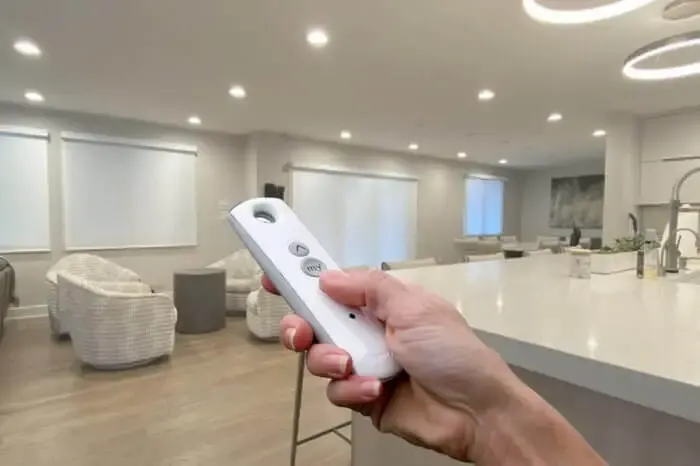 What Motorized Shades Cost in Plainfield and Where They Pay Off
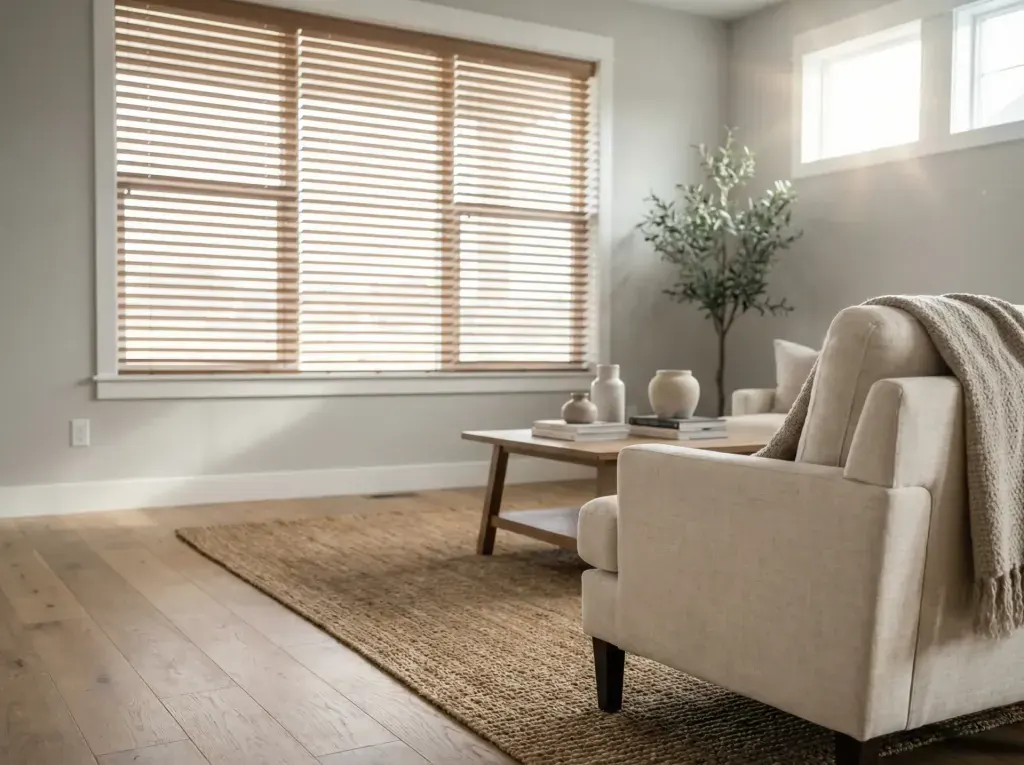 What a Finished Plainfield Blind Repair Should Look Like